Introduction
For many people, a vehicle is one of the largest purchases they will make. While depreciation is unavoidable, there are steps owners can take to protect the value of their investment.
One of the biggest factors affecting resale value is condition.
Potential buyers notice paint defects immediately. Rock chips, scratches, fading, and other cosmetic issues can make a vehicle appear older than it actually is and often reduce what buyers are willing to pay.
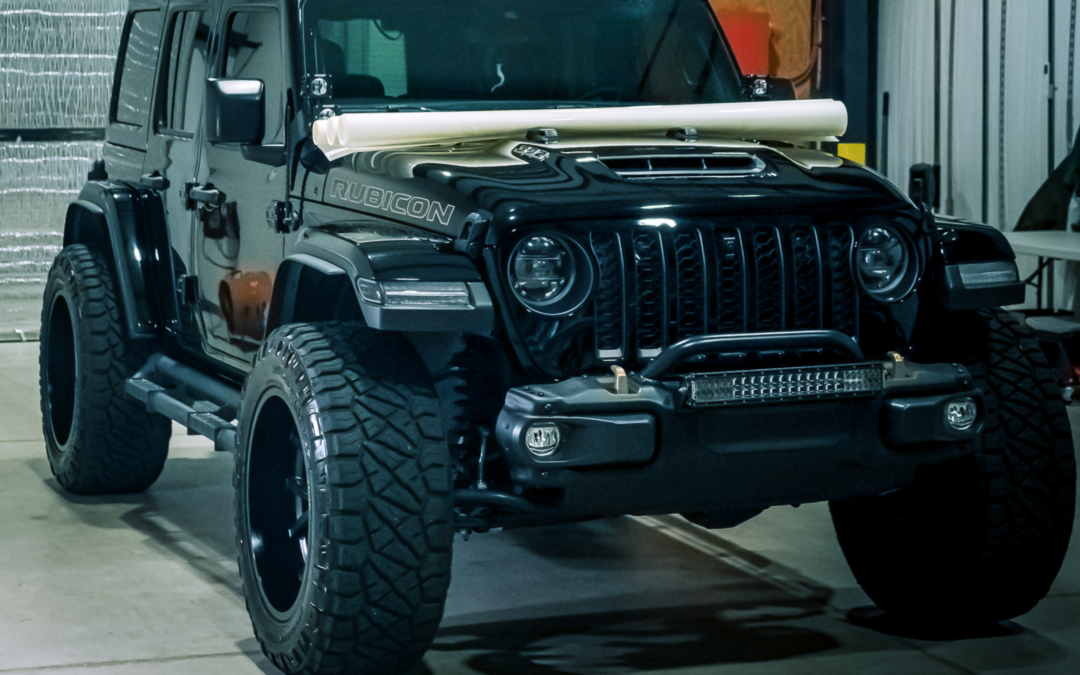
Paint Protection Film (PPF) helps protect your vehicle’s finish from everyday damage, making it easier to maintain its appearance and maximize its resale value over time.
First Impressions Matter
When selling or trading in a vehicle, appearance plays a major role in perceived value.
A vehicle with clean, well-maintained paint often:
- Commands higher offers
- Attracts more buyers
- Sells faster
- Creates greater buyer confidence
Even if a vehicle is mechanically sound, visible cosmetic damage can make buyers question how well the vehicle has been cared for overall.
Paint Damage Adds Up Over Time
Everyday driving gradually takes a toll on a vehicle’s finish.
Common forms of damage include:
- Rock chips
- Surface scratches
- Road debris impacts
- Bug splatter
- Bird droppings
- UV exposure
- Road grime
Individually, these issues may seem minor. Collectively, they can significantly reduce the appearance and value of a vehicle.
Protecting the Factory Finish
Factory paint is one of the most important aspects of a vehicle’s appearance and value.
PPF helps preserve that original finish by acting as a protective barrier against many of the hazards that cause paint deterioration.
Maintaining original paint is often preferable to repainting damaged panels, especially for luxury, performance, and collector vehicles.
Buyers Notice the Difference
When comparing similar vehicles, buyers often choose the one that appears better maintained.
A vehicle protected with PPF typically shows fewer:
- Chips
- Scratches
- Swirl marks
- Paint imperfections
This cleaner appearance can create a significant advantage when it’s time to sell or trade in.
Lower Reconditioning Costs
Many vehicle owners spend money on paint correction, touch-up work, and detailing before selling.
By preventing damage from occurring in the first place, PPF can reduce the need for expensive cosmetic repairs later.
This allows owners to retain more of their vehicle’s value while spending less on preparation before a sale.
Especially Valuable for High-End Vehicles
Luxury vehicles, performance cars, and premium trucks often benefit the most from PPF.
These vehicles:
- Have higher replacement costs
- Often feature premium paint finishes
- Attract buyers who closely inspect condition
- Typically experience larger value swings based on cosmetic appearance
Protecting the finish helps maintain the premium look buyers expect.
A Long-Term Investment
While many vehicle owners view PPF as an appearance upgrade, it is often better viewed as an investment in long-term ownership.
The film works continuously to protect the vehicle from daily wear while helping maintain a newer appearance throughout ownership.
Whether you keep your vehicle for three years or ten, preserving its condition can pay dividends when it’s time to sell.
Conclusion
Resale value is influenced by many factors, but condition remains one of the most important. Paint Protection Film helps preserve your vehicle’s appearance by protecting against rock chips, scratches, road debris, and everyday wear.
By keeping your vehicle looking newer for longer, PPF can help maintain buyer appeal, reduce reconditioning costs, and support stronger resale value when it’s time to move on to your next vehicle.
For drivers who view their vehicle as an investment, Paint Protection Film is one of the most effective ways to protect that investment for the long haul.