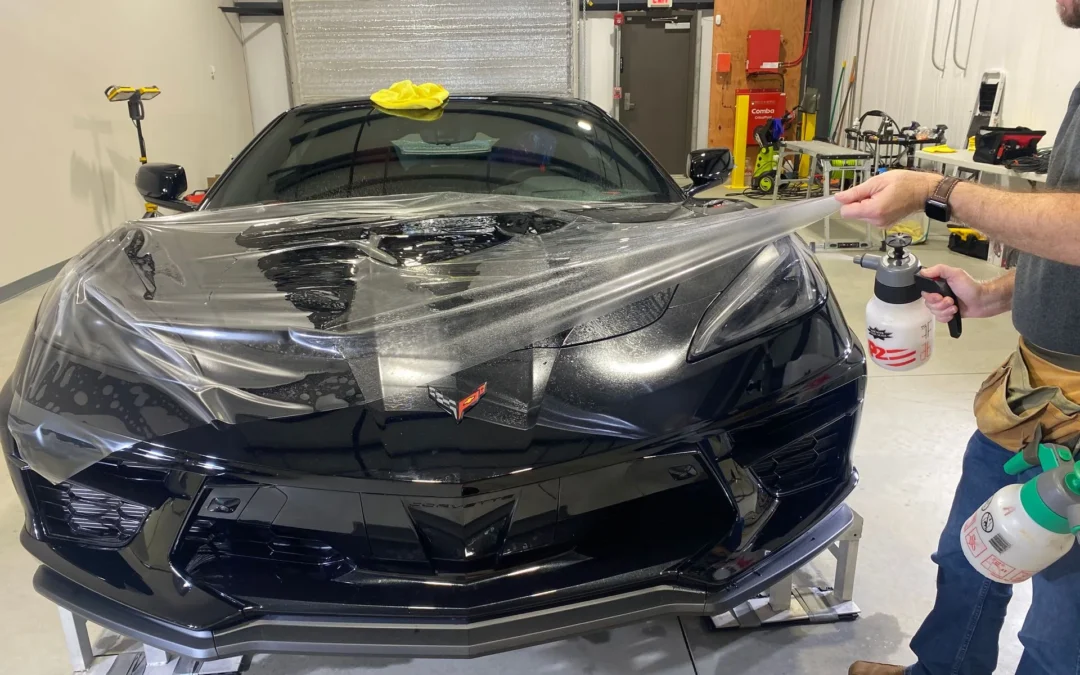
“Self-healing” sounds like magic. It isn’t. It’s the clear top layer of premium paint protection film (PPF) relaxing with warmth so light marks disappear. Here’s what it does—and what it doesn’t.
Myth #1: PPF heals rock chips and cuts
Reality: Self-healing won’t repair a puncture, torn edge, or missing material. It can minimize light swirls, wash marring, and minor scuffs—not impact damage.
Myth #2: It heals instantly, even when cold
Reality: Healing needs heat. Sun exposure, warm water, or gentle warm air helps faint marks relax. In cold weather, those same marks may linger until the film warms up.
Myth #3: All films self-heal the same
Reality: Only films with a self-healing elastomeric topcoat have this property, and performance varies by brand and thickness. Ask what’s on your car.
Myth #4: Self-healing = zero maintenance
Reality: You still need safe washing, bug/tar removal, and occasional decontamination. Neglect can stain the film just like clearcoat.
Myth #5: You can polish PPF like paint
Reality: Abrasive compounds can haze or thin the top layer. If polishing is ever needed, it must be film-safe and very light—better yet, prevent marring with proper wash technique.
Myth #6: It hides factory defects and scratches under the film
Reality: PPF conforms to what’s underneath. Swirls, sanding marks, or chips in paint should be corrected before install—or they’ll still be visible.
Myth #7: Heat guns fix anything
Reality: Moderate, even warmth helps light marks. Overheating can distort film or lift edges. If in doubt, stop and call your installer.
How to encourage healing (for light swirls)
- Park in direct sun or a warm garage.
- Pour warm (not boiling) water over the area and let it sit.
- Use gentle warm air (hair dryer on low, kept moving and away from edges).
Bottom line: Self-healing is fantastic for everyday micro-marring. For chips, tears, or stained/aged film, you’ll need repair or replacement. If you’re unsure which you’re seeing, bring the car by—we’ll inspect and advise.